Skilled Plaster Services for Seamless Finishes
Expert plastering services are essential for obtaining high-quality finishes in both commercial and residential spaces. Expert craftspeople possess the necessary techniques and materials to guarantee surfaces are durable, smooth, and aesthetically pleasing. Homeowners often ignore the impact of proper plastering on overall property value and efficiency. Comprehending the nuances of this craft can lead to well-considered choices. However, many still face common pitfalls that could undermine their renovations. What considerations should one evaluate when seeking these services?
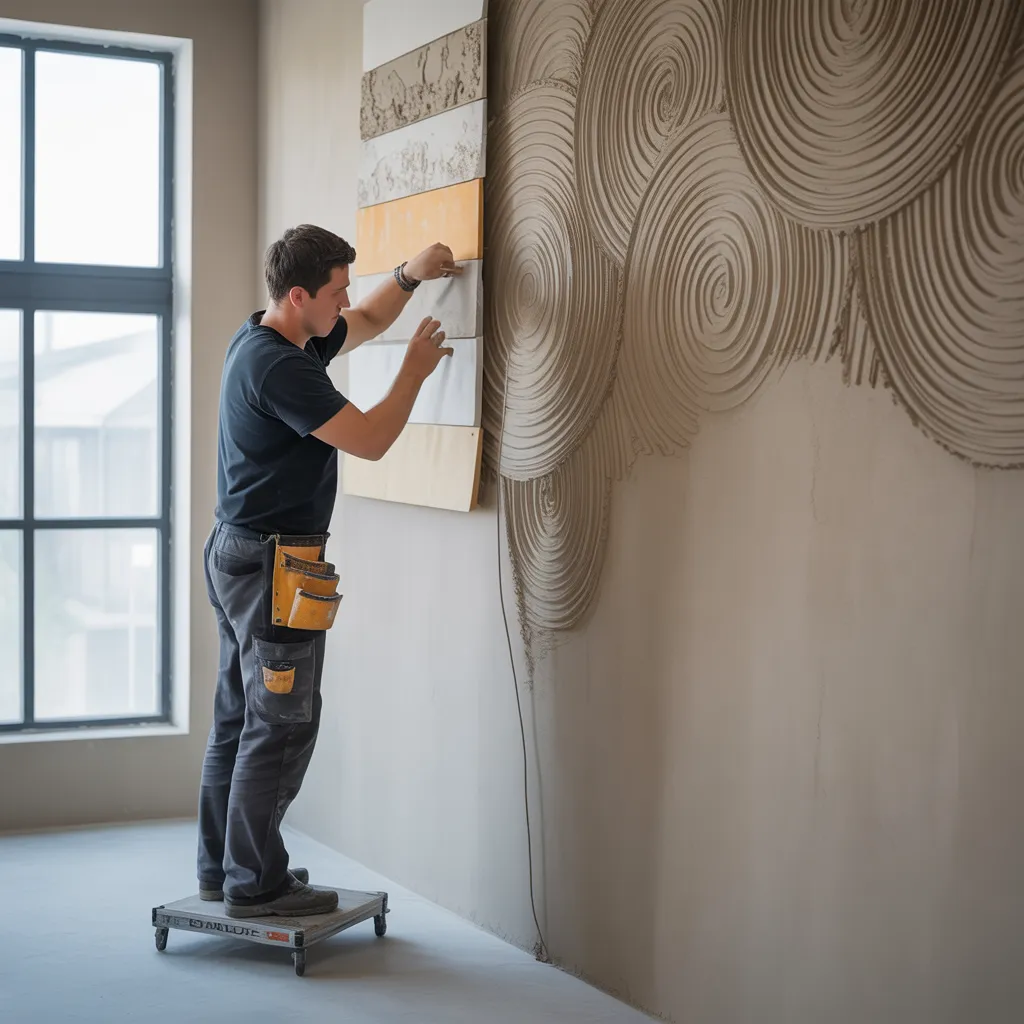
Why Expert Plastering Solutions Are Important
When thinking about home renovations, the importance of professional plastering services cannot be understated. Superior plastering is essential for reaching a smooth, aesthetically pleasing finish that enhances the overall appearance of a location. Professionals bring expertise and experience to the situation, assuring that the material is correctly positioned and learn now adheres well to substrates. This decreases the probability of cracks, peeling, or uneven textures that can develop from inexperienced efforts.
Moreover, seasoned plaster professionals employ high-caliber equipment and supplies, promoting the permanence and strength of the coating. They are experienced in numerous plastering methodologies, which affords custom-fit approaches that address defined renovation requirements. Investing in skilled plaster work not only elevates the visual and aesthetic charm of a home but also strengthens its equity. In the end, engaging professional specialists ensures a mastery level that DIY methods often cannot rival, making it an indispensable element of accomplished home renovations.
Methods Skilled Plasterers Apply for High-Quality Finishes
Professional plasterers employ a range of techniques to guarantee high-quality results that enhance both aesthetics and longevity. One essential method is the use of a uniform and suitable blend of plaster, achieving ideal bonding and workability. They meticulously condition areas, tackling imperfections and maintaining moisture levels, which is essential for an smooth finish.
Additionally, skilled plasterers utilize specialized tools, including trowels and hawks, to distribute plaster evenly. Techniques like the "float and set" method provide for better texture and a polished surface. They also implement layering strategies, applying thin coats to minimize cracking and facilitate even drying.
Careful attention to detail is essential; skilled plaster experts expertly blend joints and edges, crafting seamless shifts. Finally, they may use finishing processes, such as sanding or polishing, to achieve a perfect look. Collectively, these methods deliver results that not only meet but exceed client expectations.
Prevent These Ordinary Plaster Mishaps
When undertaking plaster projects, circumventing frequent blunders is vital for reaching a smooth appearance. Substandard prep work can result in attachment failures, while wrong mixing ratios may compromise the durability of the plaster. Identifying and tackling these obstacles can significantly improve the general standard of the work.
Inadequate Surface Preparation
Proper surface preparation is indispensable for achieving a flawless plaster finish. Insufficient conditioning can lead to numerous challenges, such as poor sticking and uneven surfaces. Professionals emphasize the importance of cleaning the surface to remove dust, grease, and old paint. Any imperfections, like cracks or holes, must be repaired to guarantee a smooth base. Additionally, applying a suitable bonding agent can enhance adherence, especially on porous or chalky surfaces. Neglecting these steps often results in peeling, bubbling, or cracking of the plaster, undermining the overall aesthetic. By prioritizing thorough surface preparation, plastering experts can mitigate common pitfalls and guarantee a durable, high-quality finish that enhances the appearance and longevity of walls and ceilings.
Incorrect Blend Proportions
Obtaining the accurate plaster consistency is dependent on proper mixing ratios, an important step often overlooked by novices. Wrong proportions of plaster to water can cause various issues, such as weak bonding or a surface that breaks and crumbles. For instance, excess water can thin out the plaster, resulting in weak finishes that lack durability. Conversely, inadequate water can form a thick mixture that is difficult to spread and prone to inconsistent drying. Professionals emphasize the value of adhering to manufacturer guidelines for mixing ratios to assure peak performance. By steering clear of these frequent mixing errors, plasterers can achieve a flawless finish that enhances both the aesthetic and structural integrity of the surfaces they work on.
5 Pointers for Determining the Best Plastering Provider for Your Remodel
When selecting a plaster contractor for a renovation, it is crucial to verify the credentials and experience of potential contractors. This guarantees that the selected contractor has the necessary skills and knowledge for the job. Additionally, requesting comprehensive quotes helps homeowners grasp the scope of work and related expenses, enabling informed decision-making.
Verify Qualifications And Experience
Why is it important for property owners to validate they are selecting correctly for a plaster contractor during their remodeling? An key step involves verifying the qualifications and experience of potential plaster professionals. Property owners should identify qualified professionals who carry licenses and insurance, as these credentials indicate a dedication to quality and safety. Also, checking industry certifications can further ensure expertise with plastering techniques.
Experience takes a paramount role; a contractor with years in the field is likely to have dealt with diverse challenges and developed effective solutions. Homeowners should also seek reviews and testimonials from previous clients to measure satisfaction and reliability. By thoroughly assessing credentials and experience, homeowners can make informed decisions, ultimately leading to a successful renovation.
Get Full Estimates
Once you have verified credentials and experience, homeowners should concentrate on asking for thorough estimates from candidate plastering services. This step is essential in maintaining transparency and comprehension of the project's scope. Homeowners should seek estimates that itemize costs, including materials, labor, and any additional fees. It is recommended to compare at least three estimates to measure market rates and avoid overpricing. Moreover, homeowners should inquire about the estimated timeline for completion, as delays can impact renovations significantly. Clear communication during this phase can help explain expectations and responsibilities. Ultimately, choosing a plastering service based on properly documented estimates can lead to a more seamless renovation experience and improve satisfaction with the finished results.
Extended Perks of Contracting Professional Plasterers
Investing in skilled plasterers delivers considerable ongoing rewards that boost both aesthetics and strength. Superior plastering services not only creates a attractive aesthetic finish but also strengthens the load-bearing capacity of walls. Professional experts understand the complexities of different plaster types, ensuring that the plaster sticks securely and endures environmental stresses. This proficiency cuts down the chance of cracks, peeling, and damage over time, lowering the necessity for expensive fixes.
Moreover, a well-executed plastering job enhances thermal performance and power conservation, leading to cost reductions on climate control expenses. The longevity of the finish means homeowners can appreciate their investment without frequent touch-ups or replacements. Additionally, hiring skilled plasterers can increase worth to a property, making it more attractive to prospective purchasers. Ultimately, the advantages of expert plaster work go further than immediate aesthetics, providing enduring benefits that warrant the initial investment.
Transforming Your Space: Before and After Plaster copyrightples
Witnessing the evolution of a space through professional plastering can be truly impressive. Before plastering, walls often exhibit imperfections, such as cracks, uneven surfaces, and peeling paint, creating an unappealing atmosphere. In contrast, after plastering, these same walls can appear even, clean, and visually striking, dramatically enhancing the overall ambiance of the room.
For copyrightple, a living room that once seemed cramped and dated can be transformed with a fresh plaster finish, allowing light to bounce off its newly refined walls. Similarly, a bathroom previously marred by water damage can bring back its appeal with expert plastering, ensuring both aesthetics and durability.
Before and after case studies showcase the effect of skilled plastering on a property's worth and appeal. In the end, these renovations reveal how professional plastering work can breathe new life into any space, offering both beauty and practicality.
Regularly Requested Questions
How Much Time Does a Typical Plastering Project Normally Last?
A standard plaster application generally takes between one to three days, relying on the size and complexity of the area. Variables such as moisture evaporation and multiple coats may also influence the overall duration.
What Kinds of Plaster Are Typically Implemented?
Common plaster varieties encompass gypsum plaster, cement plaster, and lime plaster. Each serves unique needs; gypsum is favored for interiors, cement delivers durability for exteriors, while lime offers elasticity and air permeability in various applications.
Can Plastering Be Done in Wet Weather?
Applying plaster in wet conditions is typically not recommended, as dampness can compromise adhesion and cure periods. Suitable climate settings are essential for obtaining optimal outcomes, guaranteeing durability and a smooth finish in plastering work.
How Can I Care for Newly Plastered Walls Effectively?
To preserve freshly applied plaster surfaces, ensure proper ventilation, avoid high humidity levels, and abstain from touching the surface until fully cured. Frequently inspect for damage or flaws and use a suitable sealer once completely dried.
Can you find eco-friendly plastering alternatives?
Indeed, environmentally friendly plaster options are available, comprising natural clay, lime plasters, and gypsum alternatives. These materials diminish environmental impact while supplying sustainable breathability, making them viable options for environmentally conscious projects.